
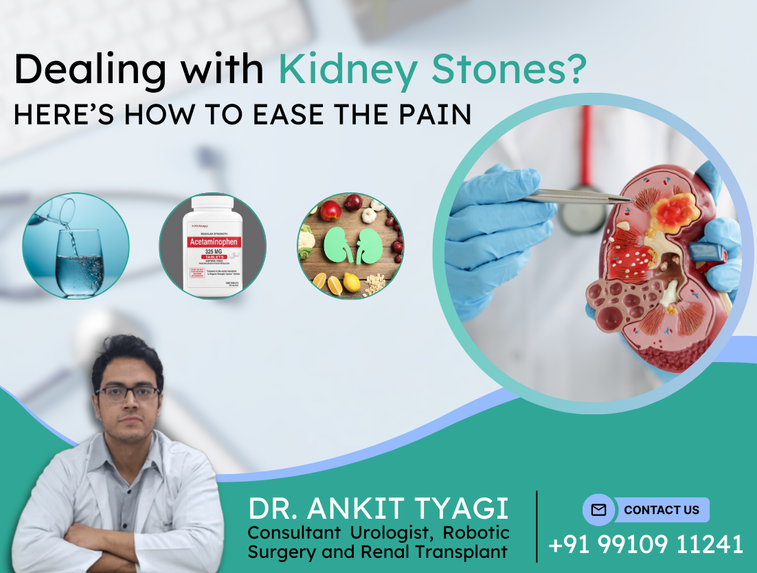
Dealing with Kidney Stones? Here’s How to Ease the Pain
Kidney stones are a common health issue that can cause severe discomfort and disrupt daily life. They form when minerals and salts crystallize in the kidneys, leading to sharp pain, nausea, and other symptoms. If you’re dealing with kidney stones, here are some practical ways to ease the pain and manage the condition effectively.
1. Stay Hydrated
- Drinking plenty of water helps flush out the urinary system and can prevent stones from growing larger.
- Aim for at least 8-10 glasses of water daily, unless advised otherwise by your doctor.
- Monitor urine color—clear or pale yellow indicates proper hydration.
2. Use Pain Relievers
- Over-the-counter pain medications like ibuprofen, acetaminophen, or naproxen can help alleviate discomfort.
- Avoid long-term use without consulting a healthcare professional.
3. Apply Heat Therapy
- A heating pad or hot water bottle placed on the lower back can help relieve pain.
- Use heat therapy for 15-20 minutes at a time, and ensure the temperature is not too hot to avoid burns.
4. Follow a Kidney-Friendly Diet
- Reduce intake of foods high in oxalates, such as spinach, nuts, and chocolate, which can contribute to stone formation.
- Limit sodium and protein consumption to decrease the risk of kidney stone recurrence.
- Include foods rich in calcium to bind oxalates in the digestive system and prevent absorption.
5. Stay Active
- Gentle exercises like walking can help the stones pass more quickly by keeping the urinary tract active.
- Avoid strenuous activities that may worsen pain.
6. Try Medical Treatments if Necessary
If the stone is too large to pass naturally, your doctor may recommend:
- Shock Wave Lithotripsy (SWL): A non-invasive procedure that breaks stones into smaller pieces using sound waves.
- Ureteroscopy: A thin scope inserted into the urinary tract to remove or break up stones.
- Surgery: Reserved for cases where other treatments fail.
7. Prevention is Key
Once you’ve experienced kidney stones, the risk of recurrence is high. Preventive steps include:
- Regularly staying hydrated.
- Following dietary recommendations.
- Scheduling regular check-ups with a urologist.
When to See a Doctor
- Seek immediate medical attention if you experience:
- Severe pain that doesn’t improve with medication.
- Blood in the urine.
- Fever and chills, which may indicate an infection.
- Difficulty urinating or complete blockage.
By staying proactive and following these guidelines, you can ease the pain of kidney stones and reduce the likelihood of recurrence. Always consult a healthcare professional for personalized advice and treatment options.